
The inner workings of royal structures and the personal choices of their youngest members have always fascinated the public.
When traditional expectations intersect with the desires of the younger generation, a compelling narrative about duty and personal freedom emerges.
Recent developments within the prominent family have sparked a fresh wave of public interest and intense discussion worldwide.
Historically, the spotlight has always shined brightest on the immediate heirs and high-profile figures who carry the heaviest burdens of state.
However, attention has recently shifted to those who have spent their formative years shielded from relentless media scrutiny.
These younger individuals are now reaching critical milestones in their lives, prompting serious conversations about their future roles.
The transition into adulthood is a complex phase for any individual, but it carries immense weight when royal titles and public expectations are involved.
For years, deliberate efforts were made to provide these younger family members with a normal upbringing, away from the gilded walls. They attended regular schools, mixed with peers outside official circles, and experienced a relatively quiet childhood.
This protective approach allowed them to develop their own identities before being faced with the pressures of public life.
As they reach major milestones, the question of whether they will fully embrace their official status remains a central point of speculation.
The contrast between a quiet, private life and a demanding public role creates a natural and intriguing tension.
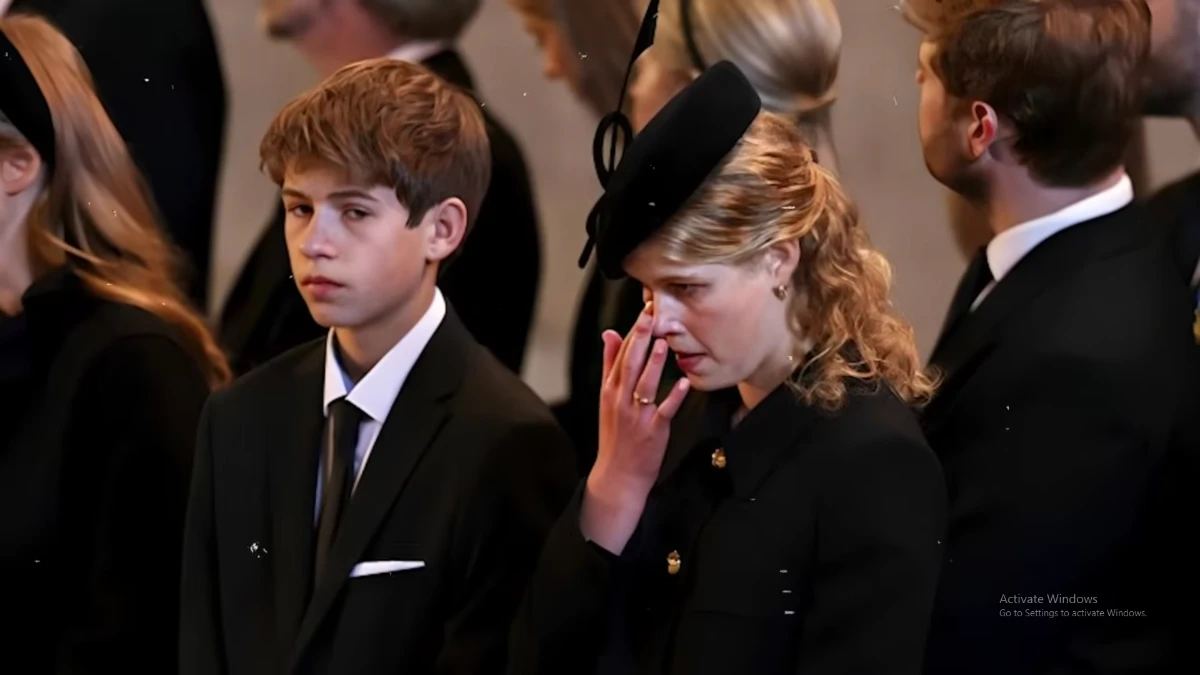
In any royal hierarchy, the decision to accept or decline formal titles carries profound implications for the individual and the institution.
While some choose to step into the spotlight and embrace their heritage, others deliberately opt for a more low-profile existence.
These choices reflect a modern desire for personal autonomy over inherited expectations and centuries-old traditions.
The path chosen by one’s older siblings often serves as a significant point of comparison and discussion.
When an older sibling chooses to prioritize higher education and a life free from constant public scrutiny, it sets a powerful precedent.
It demonstrates that there are multiple ways to navigate the complex demands of a historic legacy in the modern era.
Choosing a quieter path, such as pursuing academic interests at a prestigious university, allows individuals to build a foundation on their own terms.
This academic journey offers a sense of normalcy and a chance to engage with the world as an individual rather than a title.
It highlights a growing trend among the youth to seek fulfillment outside the traditional confines of their status.
Conversely, the sudden elevation or acceptance of formal titles by other family members can shift the dynamic entirely.
Such announcements often catch the public by surprise, signaling a potential change in the family’s public-facing strategy.
These moves are analyzed by observers who look for deeper meanings behind every official adjustment.
The decision to step forward into a more formal role is rarely simple and involves balancing personal desires with a sense of collective responsibility. It requires preparing for a lifetime of public recognition and the intense scrutiny that inevitably accompanies such a status. For a young person, this represents a monumental transition that reshapes their entire future trajectory.
This dynamic showcases how modern institutions must continuously adapt to the changing perspectives of their younger members.
The balance between maintaining timeless traditions and allowing individual freedom is delicate and constantly evolving.
How the younger generation handles these transitions often defines the public perception of the institution as a whole.
Public reaction to these developments is often a mix of curiosity, support, and deep analysis of what these choices mean for the future.
Observers debate the merits of choosing privacy over duty, with many expressing admiration for those who choose a simpler life.
At the same time, there is immense curiosity about those who decide to take on greater responsibilities.

The media plays a powerful role in shaping these narratives, often focusing on the human drama behind the formal announcemenTS. The tension between personal happiness and public expectation is a universal theme that resonates deeply with audiences everywhere.
This connection makes the personal journeys of these individuals highly relatable, despite their extraordinary circumstances.
As these young individuals continue to navigate their paths, their choices will undoubtedly influence the next generation of the family.
The precedents they set today will form the guidelines for how future members balance their private lives with their public duties.
This ongoing evolution ensures that the narrative surrounding their choices remains dynamic and highly relevant.
Ultimately, the stories of these young figures remind us that behind the titles and official duties are real people making defining choices.
The journey to finding one’s place in the world is highly personal, filled with both unique challenges and opportunities.
Whether they choose the spotlight or a quieter path, their decisions will shape their legacy for years to come.
The fascination with these personal developments shows no signs of slowing down as the public eagerly watches how these paths unfold.
Each decision, whether to step back or step forward, contributes to a larger story of adaptation and survival in the modern world.
The dialogue surrounding these choices continues to offer a captivating look into the intersection of tradition and modernity.
Full video: